
Design for recycling
Where performance allows, we reduce multi-layer and mixed-material structures to a single polymer family so that collection systems can actually separate them.
Material decisions have environmental consequences that are set long before production starts. We treat recyclability as part of the specification rather than something added at the end.
Most of a product's environmental impact is determined by decisions made at the design stage. Whether something can be recycled is a consequence of the material choice itself.
Where performance allows, we reduce multi-layer and mixed-material structures to a single polymer family so that collection systems can actually separate them.
We establish experimentally how much recyclate a compound can carry, which compatibiliser it needs and what performance change comes with it.
Process optimisation is environmental work. Lower cycle times and less scrap reduce the impact per part without changing the material at all.
Replacement of substances restricted under REACH and RoHS, along with phthalates, halogens and heavy metal based additives.
Doubling how long a part lasts often reduces impact more than recycling it does. Ageing resistance gets priority for that reason.
We quantify the effect of a change using material, energy and scrap figures per unit rather than describing it in general terms.
The European Green Deal, the Carbon Border Adjustment Mechanism and the revision of packaging legislation have turned compliance into a technical question for exporters.
We tell customers what those rules mean for their specific product and which material changes will be needed, while there is still time to plan for them. The point is not to be caught unprepared on the day a requirement takes effect.
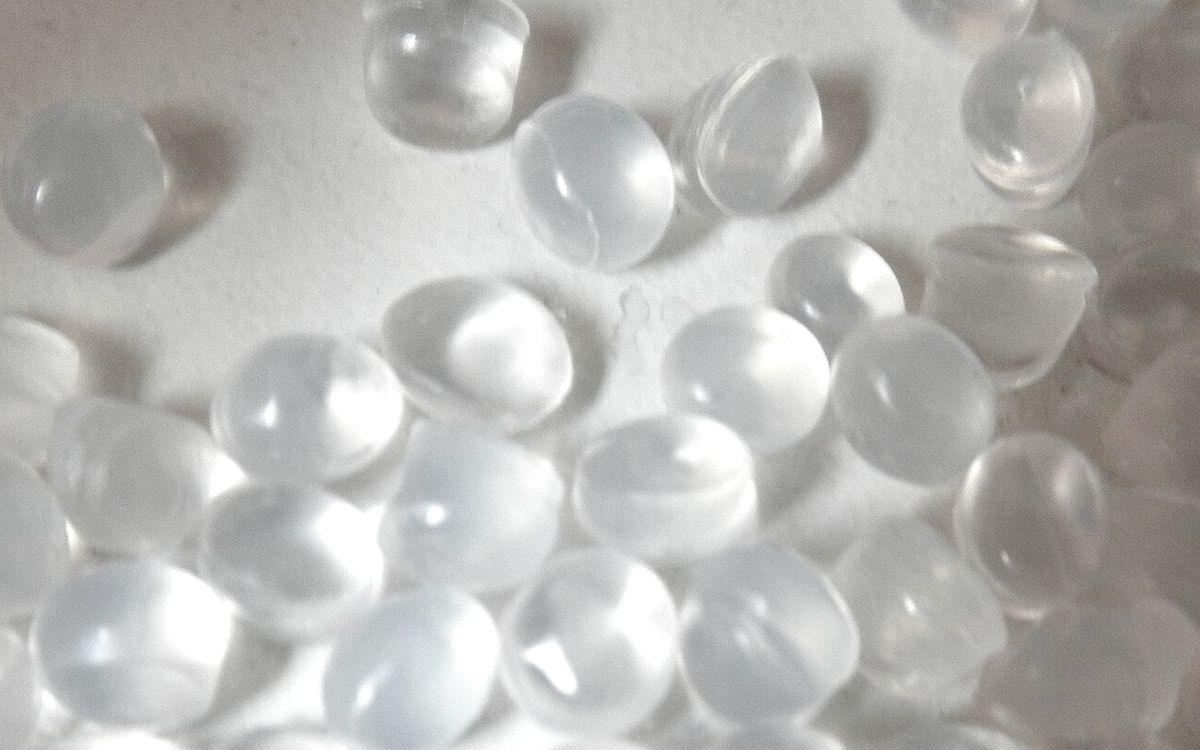
If it is used without control, yes. Mechanical recycling shortens polymer chains and introduces contamination. Our job is to work out how much of that loss the application can actually tolerate, then compensate for it with a compatibiliser and stabiliser system. In practice many specifications ask for more performance than the part needs, which is where the room to work comes from.
Only in narrow cases. Most biodegradable materials break down under industrial composting conditions, and they cause problems if they enter a standard recycling stream. We recommend them where they genuinely fit. For most industrial applications the larger gain is in mono-material design and in making parts last longer.
Not always. Recycled feedstock is often cheaper than virgin material, and reductions in scrap and energy go straight to the cost line. What does add cost is certification and validation testing. We set that balance out in a table at the start of the project so the decision is made with the numbers in view.
We can provide the material side of it: composition data, recycled content share, supplier declarations and the energy figures associated with processing. Full corporate carbon accounting is a separate exercise and is usually carried out by a specialist consultancy, which we are happy to work alongside.
Whether you have a full development brief or a single production problem, the starting point is the same. Send us the application conditions and we will tell you what is realistic.