
From laboratory to line
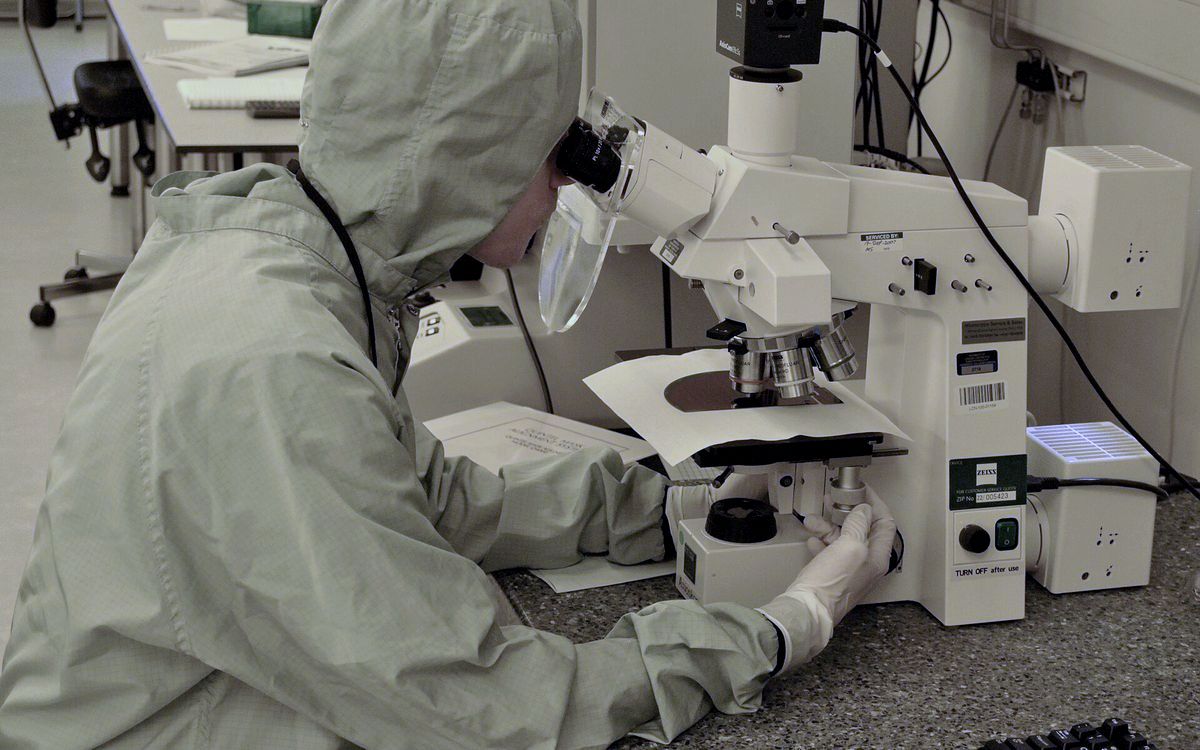
Formulation work, accelerated ageing and pilot scale verification run as one continuous process rather than separate stages.
Read moreNovera Arge Teknoloji works on polymer and elastomer systems for industrial manufacturers. We develop and validate formulations, then stay with the work until it runs at scale in a real process.
 Independent since 2023
Materials research and technical supply, based in Istanbul
Independent since 2023
Materials research and technical supply, based in Istanbul
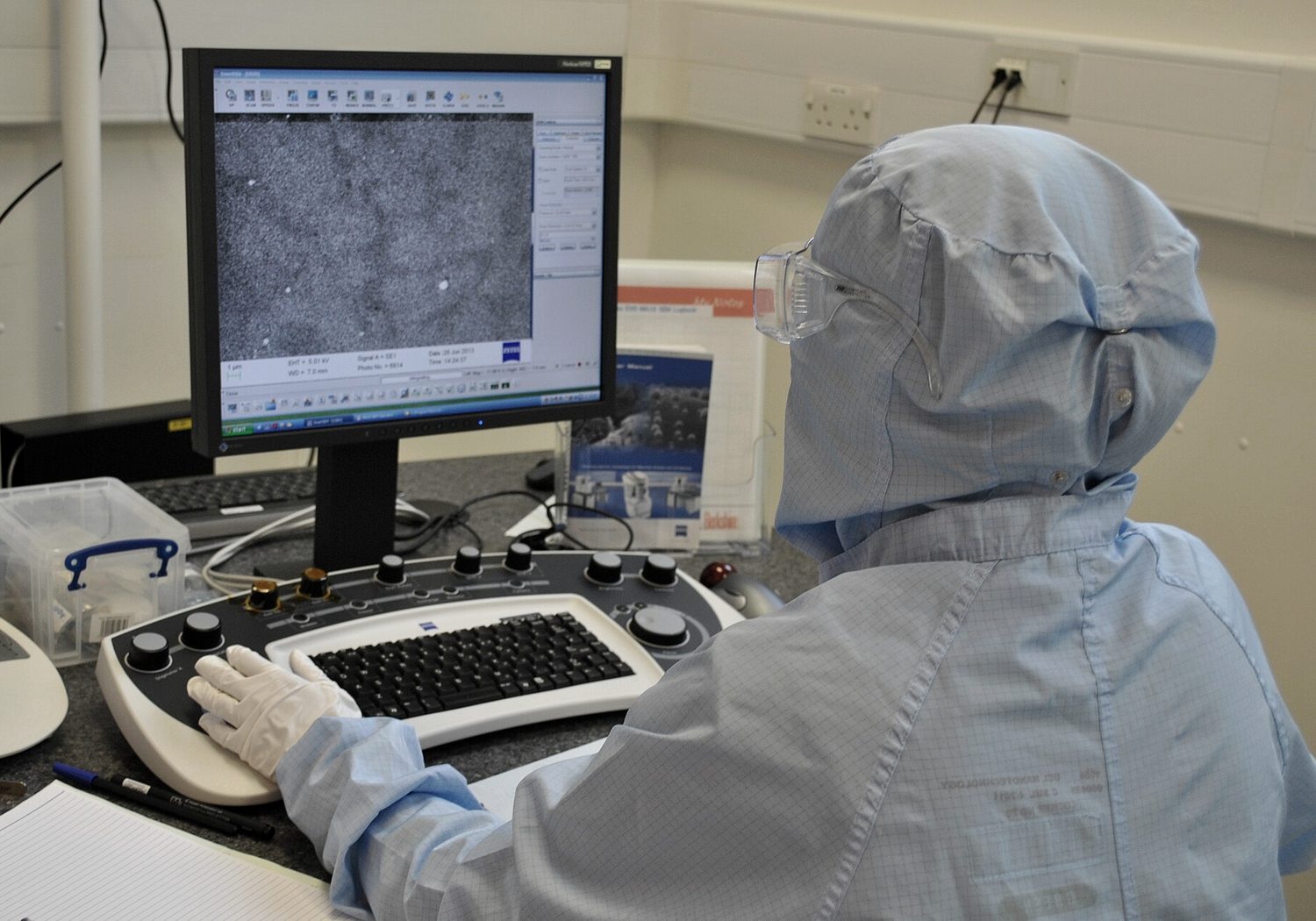
Formulation work, accelerated ageing and pilot scale verification run as one continuous process rather than separate stages.
Read more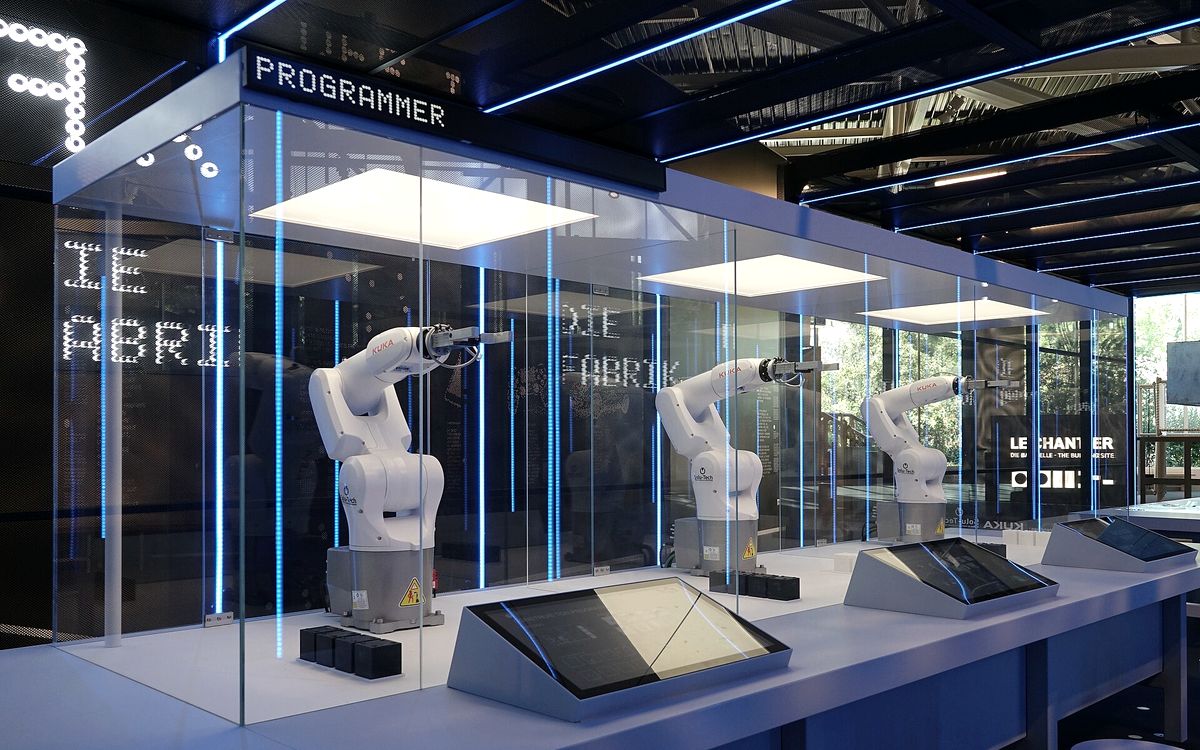
Cycle time, scrap rate and energy consumption on extrusion and injection lines, improved together rather than traded against each other.
Read more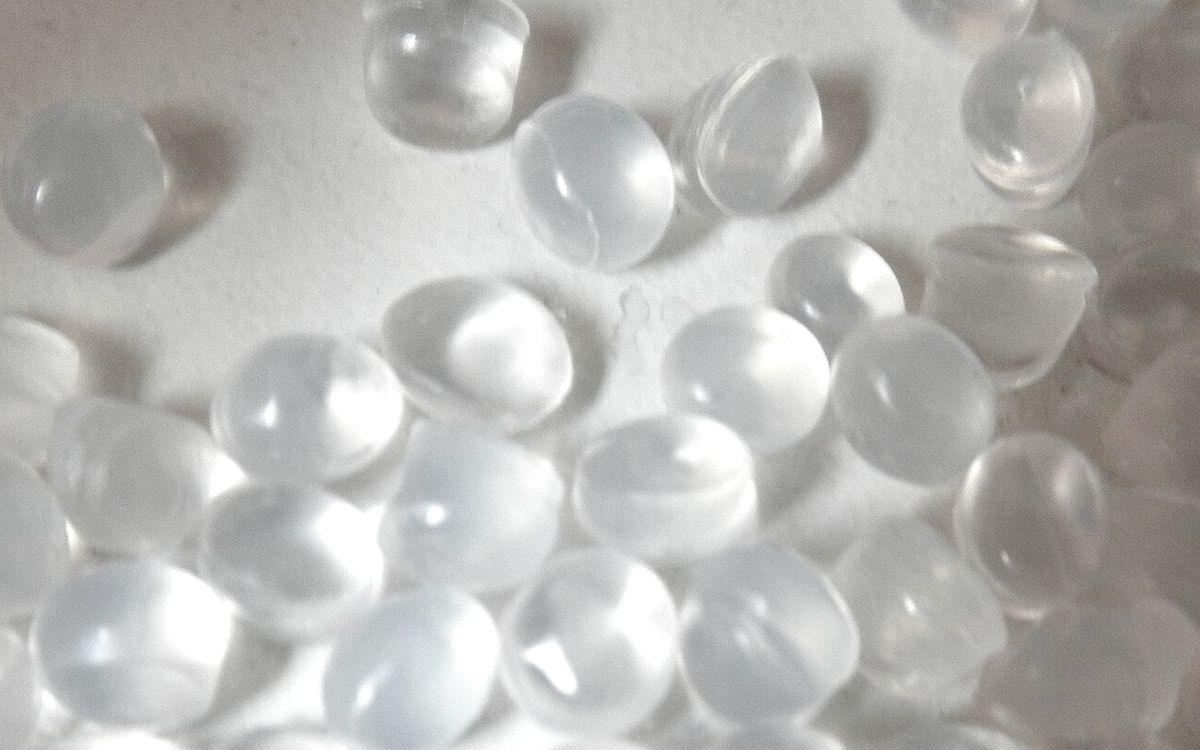
Recycled feedstock, mono-material design and substitution of restricted substances, assessed against what the application actually requires.
Read more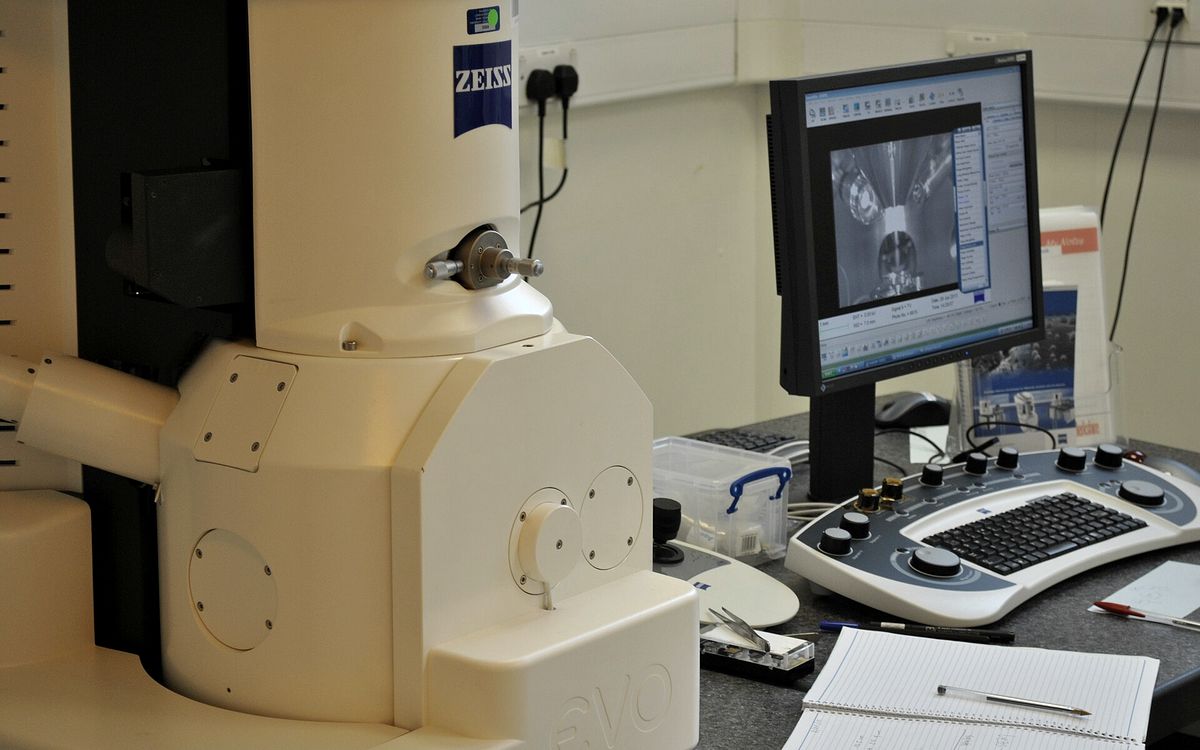
Our six stage development model and how a project runs from brief to handover.
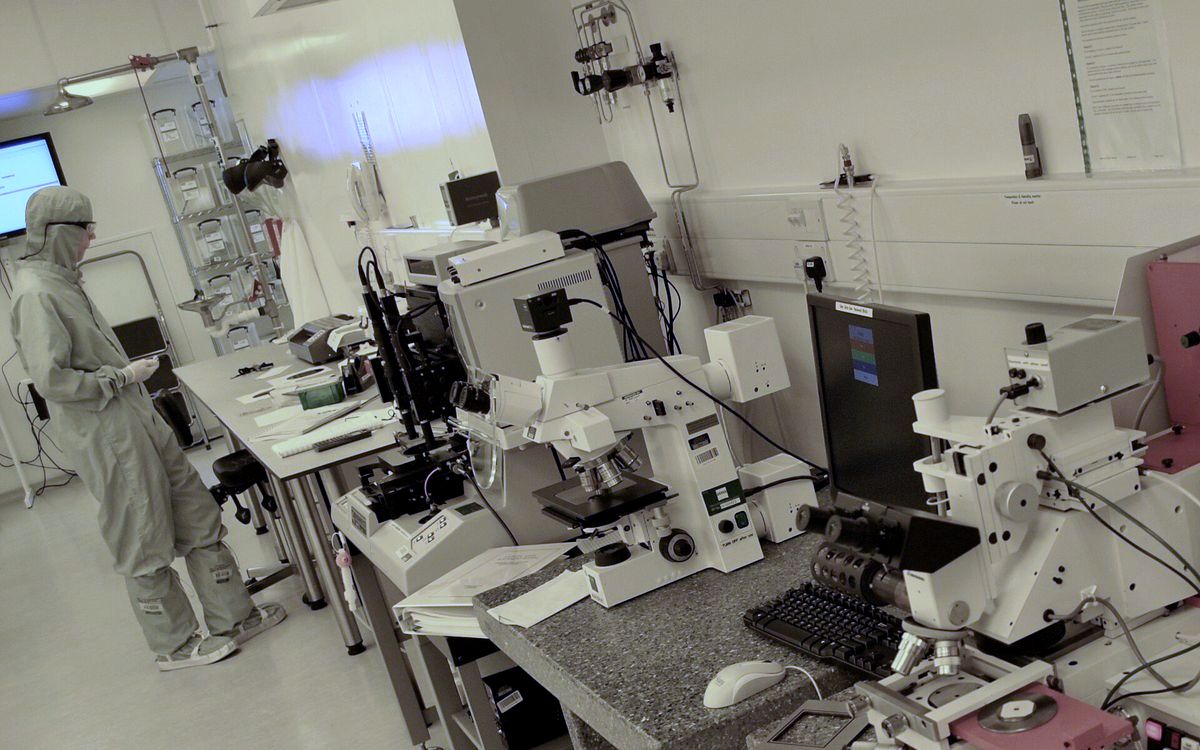
Six service areas, from material development through to technical supply.
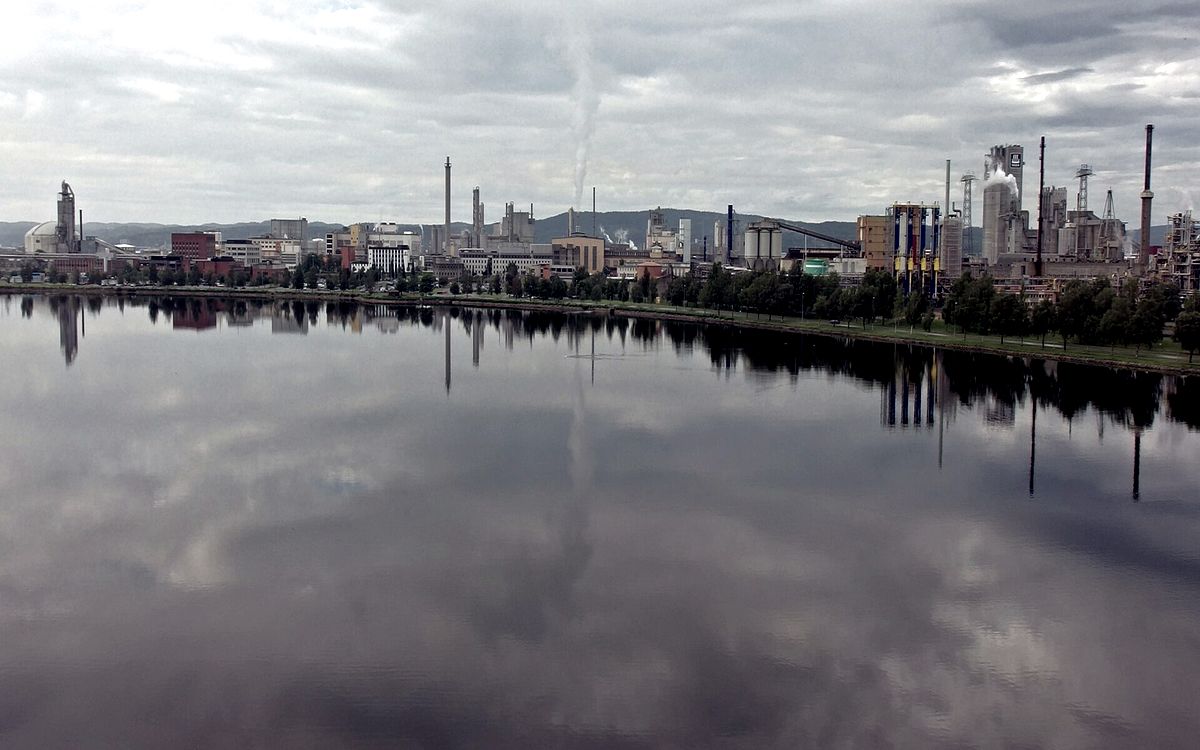
The sectors we serve and the kind of problems each one brings.
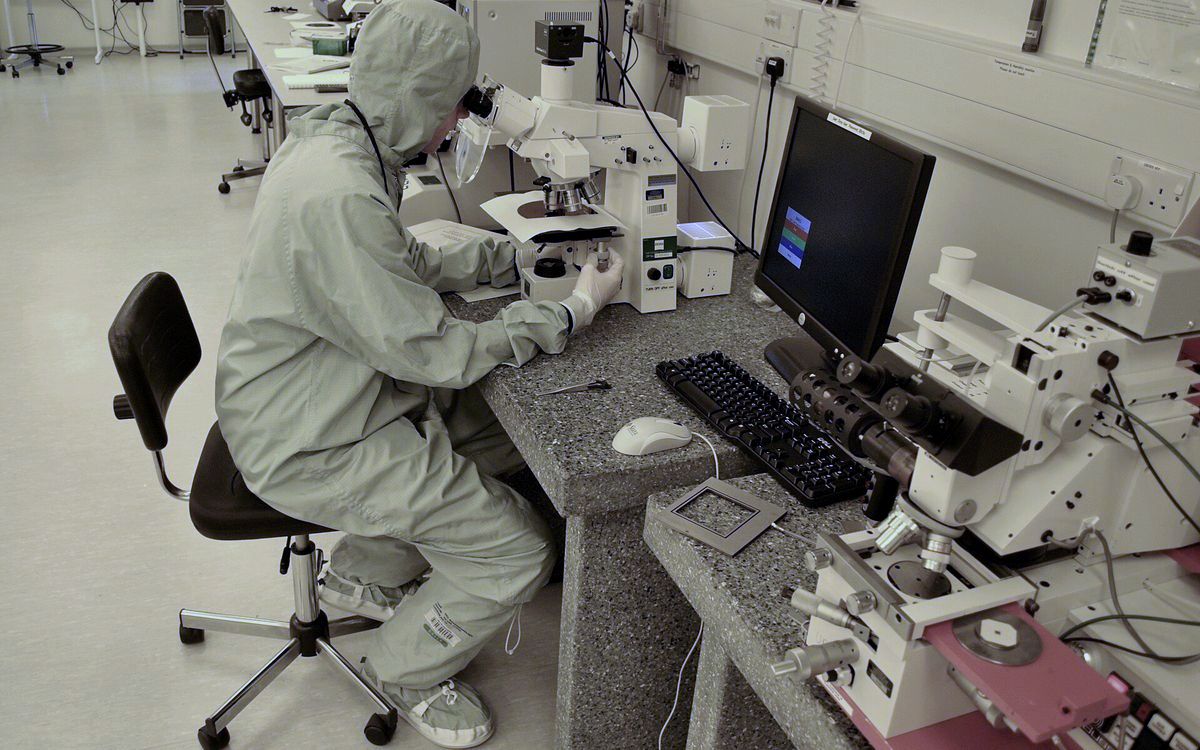
What it is like to work here and how to apply.
Our work sits across four related fields. Most projects draw on more than one of them at the same time.
Thermoplastic and elastomer compound development, additive systems, filler and reinforcement selection, and the use of recycled feedstock in production grades.
Optimisation of extrusion, injection moulding and curing parameters, looking at cycle time, scrap rate and energy use together rather than one at a time.
Material systems for applications that involve high temperature, chemical exposure, electrical insulation or long outdoor service life.
Design for recyclability, mono-material construction, substitution of restricted substances and reformulation work aimed at lowering environmental impact.
Every project follows the same structure. Moving from one stage to the next depends on meeting technical criteria that were agreed at the start.
We establish the service conditions, the specification, the applicable regulations and the cost ceiling. The output is a written scope document.
Literature and patent review, a shortlist of candidate materials, first samples and fast screening tests to narrow the field.
Iterative formulation using design of experiments, with mechanical, thermal and rheological characterisation recorded at each round.
Pilot production, verification under real process conditions, then transfer of the recipe card, process parameters and quality plan.
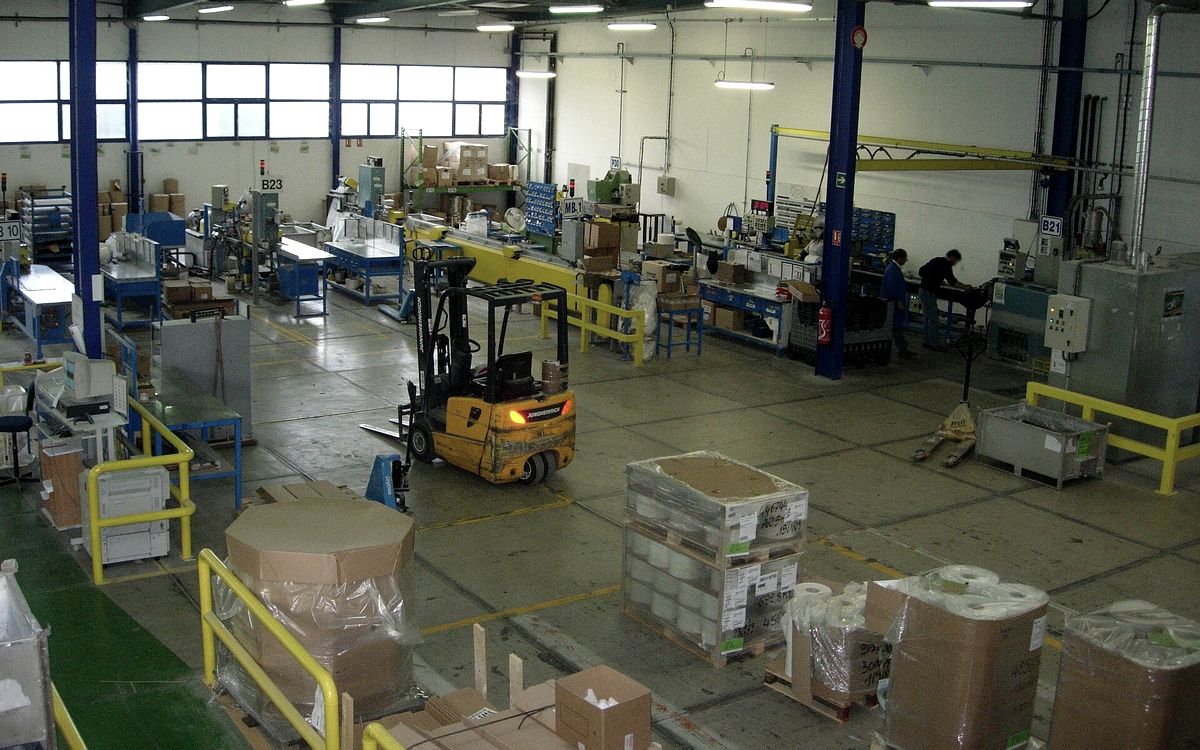
Development work only pays off when it survives contact with a production line. That is why we close projects with a usable formulation, a process parameter set and a supply plan rather than a set of findings.
Expectations differ from one industry to the next. What they share is a requirement for the material to hold its properties over years of service.
Vibration damping elastomers, sealing and bellows applications, and gaskets that have to resist fuel and other fluids.
Cable sheathing, insulation components, halogen-free flame retardant systems and compounds for outdoor service.
Barrier performance, food contact compliance and the move from multi-layer structures to a single polymer family.
Waterproofing profiles, pipe and fitting compounds, and resistance to UV exposure and hydrolytic ageing.
Biocompatibility requirements, performance after sterilisation and control of extractables.
Surface quality, odour and emission control, and mechanical parts that need to last the life of the product.
It depends on the scope. Improving an existing compound is usually a matter of weeks. Developing a material from scratch and validating it takes several months. We give you a dated plan at the end of the feasibility stage, once we know what we are dealing with.
The contract sets this out. In customer funded development the output belongs to the customer. Knowledge that Novera brought into the project already, our background IP, stays with us. In joint development the split is agreed in writing before work begins.
Yes. Not every question needs a full development programme. A root cause investigation into a production defect, or finding an equivalent for a raw material that has become hard to source, can be taken on as a short piece of work on its own.
Routine mechanical, thermal and rheological characterisation is done in house, because waiting two weeks instead of two days for a result changes the length of the whole project. Accredited certification and analyses that need specialist instruments are run with university laboratories and independent test houses we work with regularly.
Where the scope fits a scheme such as TUBITAK or KOSGEB, we prepare the technical sections of the application and supply the technical content of the interim reports. The financial and administrative side stays with the applicant company.
Whether you have a full development brief or a single production problem, the starting point is the same. Send us the application conditions and we will tell you what is realistic.